


Life Together
Connection Grows In Times Spent Together
Today’s Ordinary Moments Often Become Tomorrow’s Most Cherished Memories.
3-minute quiz. Your results give you a personalized first step you can use tonight.
Teens aren’t actively avoiding us – at least not completely. It’s just that their interests are developing, and we need to meet them where they are. Meeting them where they are shows them that you value the directions in which they are growing. Join kids in activities they enjoy – or, better yet, plan something with their interests at the heart of the plan and life at home inevitably shifts for the better. Here’s what you need to know.
Estimated reading time: 7 minutes
On this page, I’m sharing:
How Family Family Bonding Activities With Teens Build Strong Relationships
Family fun is…well – fun. But it also creates shared experiences that strengthen family bonds and build lasting memories. Think about how many times you and a friend have had a good laugh over, “Remember when we found that poodle’s rhinestone collar at McDonald’s?” Family bonding activities are exactly these kinds of shared experiences which bond us to one another. Quality time with your tweens and teens becomes increasingly precious once they have their own interests and start spending more time with friends.
Board games are a perfect way to spend time bonding as a family. (My youngest beats me at Monopoly in, like….10 turns. 🥺) In a twist that tweens and teens really appreciate, the odds aren’t stacked for the parents. Anyone can win or lose and everyone can laugh and enjoy friendly competition. Family game nights are perfectly positioned to become the traditions that teens genuinely enjoy and always look forward to.
Did you know thatboard games support teen brain development?And they are also a lot of fun! I learned that board games can bring a lot of benefits once I started homeschooling. Games can be a fun way to learn. For example, strategy games help develop executive function skills like planning and decision-making. Cooperative games teach teamwork and communication. Creative games encourage imagination and storytelling. So, spending time together? Check. Having fun? Check. And learning skills? Yes, please!
Reading together offers particular benefits during the teenage years when identity formation is crucial. Books expose teens to diverse perspectives and help them explore different life paths. And, get this – for tweens and teens struggling with worry or anxiety, novels can provide safe ways to experience and express challenging emotions and situations.
Tweens and teens often get stuck in their narratives, believing that the fictional stories they tell themselves are accurate. Because of the insecurities that adolescence can bring, it’s easy for them to assume that being excluded from a peer’s birthday party or being left out of a group text exchange is a personal affront. Social media often fuel these beliefs, which can take a toll on a youth’s mental health. Shame and stigma often prevent students from speaking out and seeking the emotional support they need.
But reading about a fictional character’s experiences can normalize those feelings and give adolescents the courage to open up about their own struggles.
-Juli Fraga, How Bibliotherapy Can Help Students Open Up About Their Mental Health
There’s no reason that reading together has to stop at a certain age. Reading together – no matter the ages of your children – provides solid benefits for a lifetime. Once your kids are older and reading on their own, family reading time can expand to include book discussions over dinner, or even reading where everyone enjoys their own books in the same room. Reading improves vocabulary and critical thinking skills. Reading fiction, specifically, has been shown to increase empathy. Reading together can evolve from bedtime stories to book clubs where family members discuss novels, share different perspectives, and explore ideas together.
Family book discussions offer an organic opportunity to discuss values, choices, and life lessons. Especially with my oldest, I get a terrific chance to hear his values and ideas. We started this when he was reading Das Kapital, by Karl Marx and he asked me to read it too so we could discuss. 😳 Sometimes, we even cross over into discussions about real-life situations and challenges he could one day be faced with.
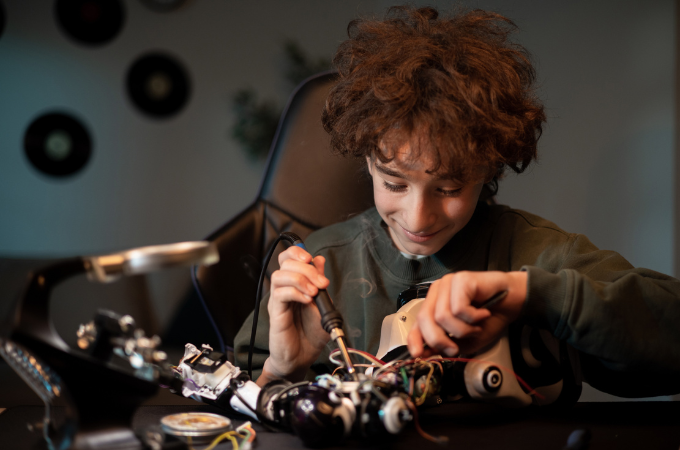
Family activities that encourage creativity and problem-solving help teens develop confidence in their abilities while spending quality time with parents. Cooking explorations, art projects, or building activities give families chances to work toward common goals while having fun together. These shared experiences create positive associations with family time that compete with the allure of screens and peer activities.
Family traditions around fun activities become anchor points that teens can count on even during turbulent developmental periods. Weekly game nights, monthly family adventures, or seasonal activities give tweens and teens something that feels safe to look forward to. These traditions often become the experiences that adult children most fondly remember and choose to recreate with their own families. 🥰
Quality time like this gives parents a window into the things their child does and doesn’t like – their interests and personality. Games and activities can reveal how your teenager thinks, what they value, and how they approach challenges. When tweens and teens are naturally becoming more private and withdrawn, it’s a real gift to know and understand them a bit more – especially as they’re building emotional intelligence and you are trying to maintain family communication during a developmental stage .
Family activities also provide opportunities for parents to model important life skills like good sportsmanship, creative problem-solving, and resilience when things don’t go as planned. Board games teach valuable lessons about winning and losing gracefully, following rules, and working through frustration. Reading together models the value of lifelong learning and intellectual curiosity.
Oh! And if you are that mom who has no idea how to play , board games are perfect because they are structured. This means no high-level negotiations over what to do or how to do it. This is plug and play!
Family activities give us a chance to laugh and play – reducing cortisol levels (stress hormone) and strengthening family bonds through shared positive experiences. Family fun is the ultimate support system and release valve for all other aspects of healthy family functioning. When relationships are strong through shared positive experiences, tweens and teens are more likely to come to you when things get tough, tell you about their about challenges, and maintain close family connections throughout their lives.
What Does Building a Life Together Look Like in Real Life?
Help your tween or teen understand their emotions instead of being controlled by them.


Find Your Personal Starting Point
If you’re not sure why your connection feels a little frayed right now, that’s exactly what the quiz is designed to show you.
In just a few minutes, you’ll see which pattern is getting in the way of connection, and where to focus first so things start to feel different at home.
Take the quiz and find your starting point.


